
Grandma’s best (and cleverest) slug remedy.
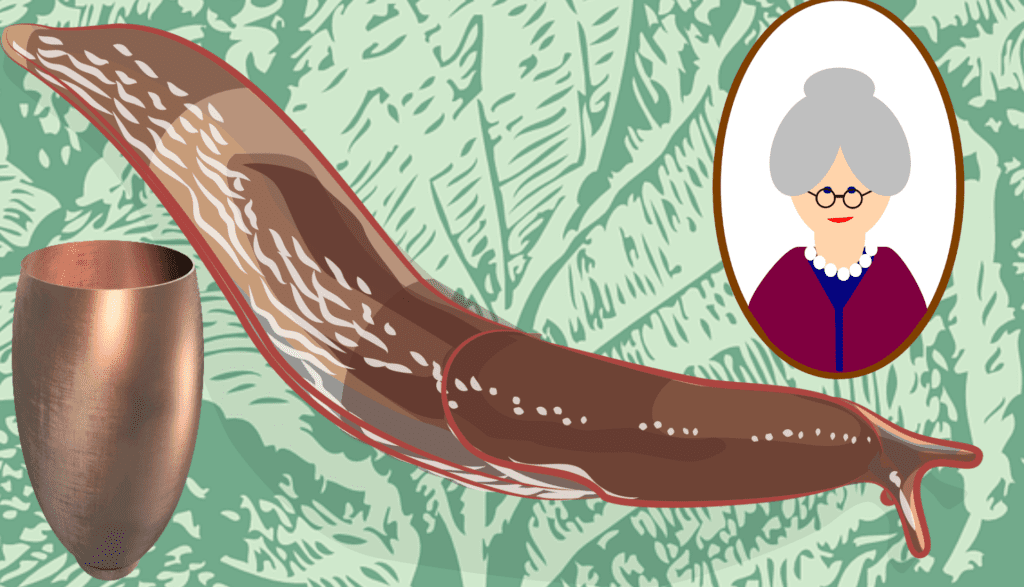
Slugs, a huge problem for many gardeners, seem to be a foregone conclusion. However, they and other gastropods can be kept out of the vegetable garden with a clever grandmother’s remedy. An effective solution that’s all too little known…
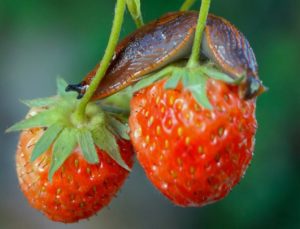
If you've discovered my blog, you're probably bothered by slugs and snails.
You'd probably be very interested in the 7 Steps to get rid of slug by attracting the Alpha predator I have designed with the help of Science, and The slug-proof garden Design I have made (with the help of dozens of scientific studies too).
It changed everything for me. I can finally grow lettuces, cabbages, strawberries and cucurbits without pulling the hair out of my head.
Don't hesitate, you'll probably save a lot of time!
Grandma’s remedy for slugs in the garden – Part 1: attract their predators.
It’s spring… at last!
You’re trembling with anticipation as you cultivate your first lettuces of the year, on soil that’s still a little cold.
But…
Soon you’re shaking with fear at the horrifying sight: The lettuces have been devastated… By a horde of slugs.
What to do?
How do you fight back?
Is there a special recipe that grandmothers used to use to combat slugs?
The answer is yes. There is an effective grandmother’s remedy for slugs.
And it’s not as silly and nasty as you might find elsewhere.
Vegetable gardens have always been invaded by slugs and snails, as the first spring thaw approaches.
One of the best strategies, used by the cleverest and laziest grandmothers, is to do nothing.
“Excuse me? Are you kidding me right now?”
No, but let me explain:
An overpopulation of gastropods in the vegetable garden is a symptom of an imbalance in your garden.
Slugs are a consequence.
The cause of this consequence is imbalance.
“Okay, but an imbalance of what, anyway?”
Two things are probably out of balance in your garden if you have too many slugs and snails.
Let’s take a look at the first – we’ll talk about the second in the next section.
The first imbalance to cause slug overpopulationis a lack of natural predators in your garden.
Orvets, toads, hedgehogs, ground beetles, staphylins, glow worms, etc.
Once installed in your garden, these companions will take care of regulating your slugs on a continuous basis.
But to get them to move in with you, there are 2 rules to follow – let’s call them the 2 clever granny rules:
Clever grandma rule number 1:
“Thou shalt not kill slugs”.
Jesus, Grandma, are you senile?! And my salads?
Slug predators
will only be attracted to your home if their food is present.
So you’ll have to be patient in the early stages, waiting for them to be installed. And let the slugs breed.
But don’t worry, Grandma’s got her wits about her: in Part 2, we’ll look at how – while you’re waiting for gastropod predators – you can protect your plants from slugs.
Clever grandma rule number 2:
“Thou shalt arrange the garden
And yes, predators need food, but they also need shelter!
For this, you’ll need bushy evergreen hedges, unmown grass, piles of wood, stones and other nooks and crannies.
To sum up, and although this may not be everyone’s objective: rule number 2 for encouraging slug predators to settle in your garden is not to have a garden that’s too “clean”.
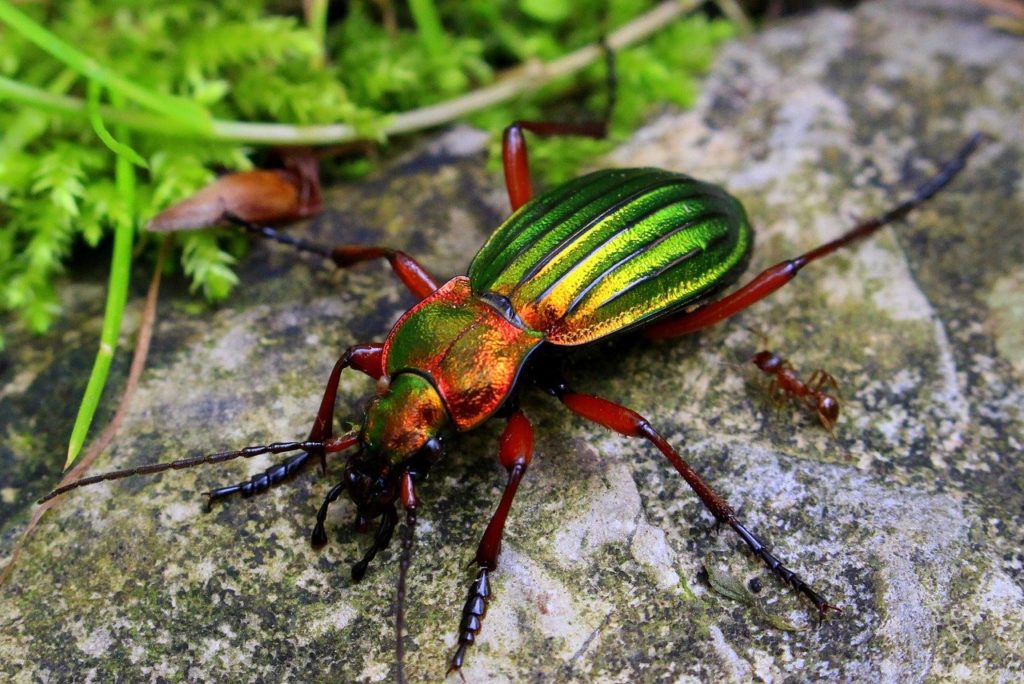
Carabids are formidable predators of slugs and snails.
Use slug control plants intelligently – The remedy, part 2.
I promised to reveal Grandma’s 2nd secret: the 2nd thing that creates an unbalanced garden – due to too many slugs – and the answer to it.
The second probable cause of imbalance in your vegetable garden is a lack of plant biodiversity. Or, in other words, the intelligent use of slug-resistant plants.
Why?
This is because slugs, when they become active again in spring, are on an intense quest for food.
And they’ll crunch whatever they can find.
If yourur garden is a lifeless desert, with only your two precious rows of lettuces…
… Slugs will focus on them… And devastate them.
What’s needed is to dilute slug predation.
How?
By offering them a wide range of alternative prey for your salads.
They can be dandelions, mustard, rapeseed, watercress, sunflowers, etc.
In short, the second part of Grandma’s clever remedy is toincrease plant biodiversity in the garden, to dilute slug predation on the plants that really matter to you.
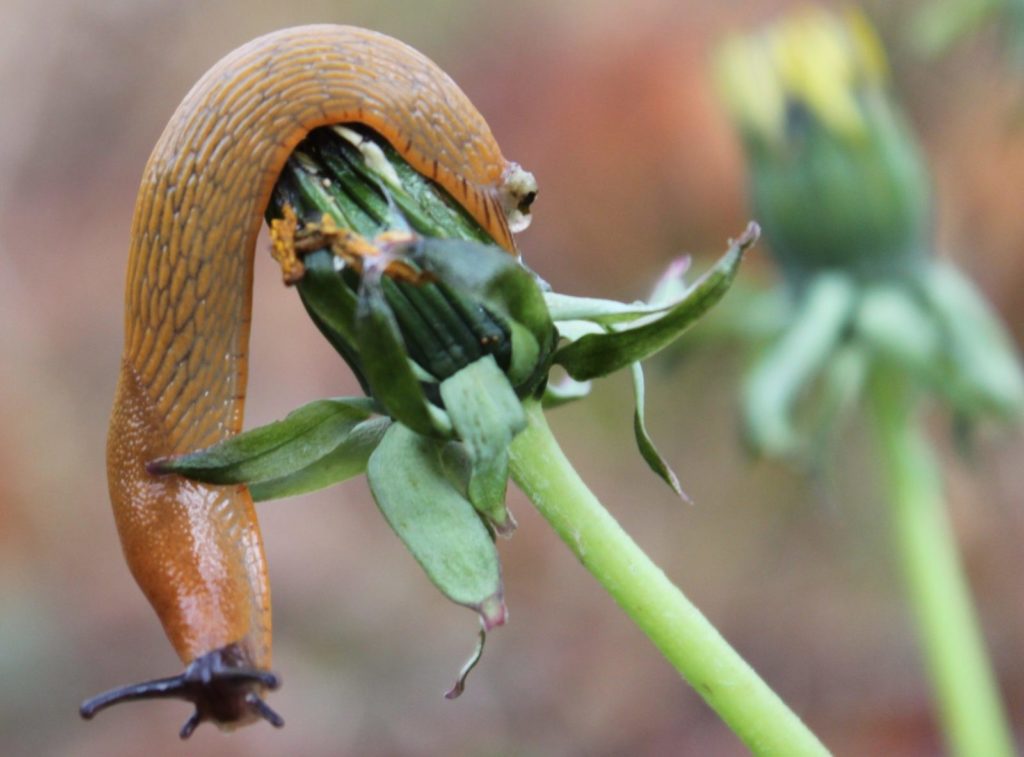
Dandelions are very popular with slugs.
Use really effective slug barriers – GrandMa’s tip, part 3.
“Ok, so to solve my garden slug problem permanently and sustainably, I need to give my garden time to rebalance.
“But how to concretly do it quickly ?”
Unfortunately, this may take some time. However, you can act intelligently and precisely. For this, I invite you to read my other articles on the subject of predators and the use of plants.
Even better! Follow scrupulously these 7 steps 👇
This is the action plan I devised following the findings of dozens of scientific studies on the subject.
I owe the success of my cabbages, salads, strawberries and cucurbits to it.
Click here to find out more:

Related articles:
Scientific bibliography
The study examines several different substances for their ability to repel slugs and snails. In particular, the results showed that copper had a repellent effect.

Robin
A passionate experimental vegetable grower, I had huge slug problems during my first 2 years of vegetable gardening.
Nothing (eggshells, ashes, etc.) seemed to work…
And yet, if the Internet was to be believed, everything was supposed to work…
In short, faced with an obvious problem of misinformation, I decided to take action: I tested all the famous “slug barriers”, so as to have a clear mind, and know what to do.
I filmed my (13) tests(here, in French)
The results were crystal clear: nothing was able to effectively block the path of slugs and snails, except Water, usable with trenches at least 5 cm deep and 10 cm wide, or Copper, if used vertically, if its height is at least 7 cm
But a water-based barrier is difficult to implement, and copper is expensive…
It was by turning to scientific studies that I found the solution: adopting a slug predator in the garden, present everywhere in the world, which has a huge regulatory effect on them.
The studies show it. And I called this predator the Alpha predator of slugs.
Using dozens of scientific studies again, I constructed an action plan of the most effective arrangements to attract this Alpha predator to the garden sustainably, and to see it multiply by itself, year after year, season after season.
And to get rid, definitively (and intelligently), of slugs.
I have gathered these 7 steps in a digital book that I propose on this site, and at the end of the book, there is also a video training module on designing a slug-proof garden.
You can find this digital book (which contains all of this) by clicking here.
And what if you don’t get rid of your slugs by following the advice in this book? It’s simple, I will refund you in full (but it will work, if you follow the instructions properly).
So, don’t hesitate to discover the simple 7 Steps that can change your springs.

0 Comments