
Which Animal Eats Slugs?
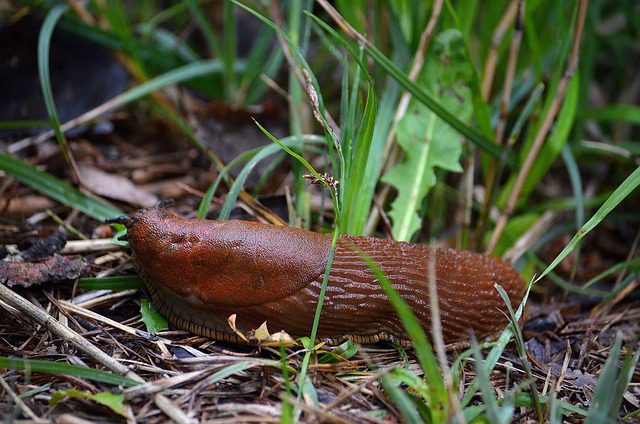
I say it and repeat it in each of my articles: to definitively end the problem of slugs in your garden, you don’t have 36 solutions.
It is necessary to increase the plant biodiversity of your garden to offer other plants appreciated by slugs besides your beautiful lettuces.
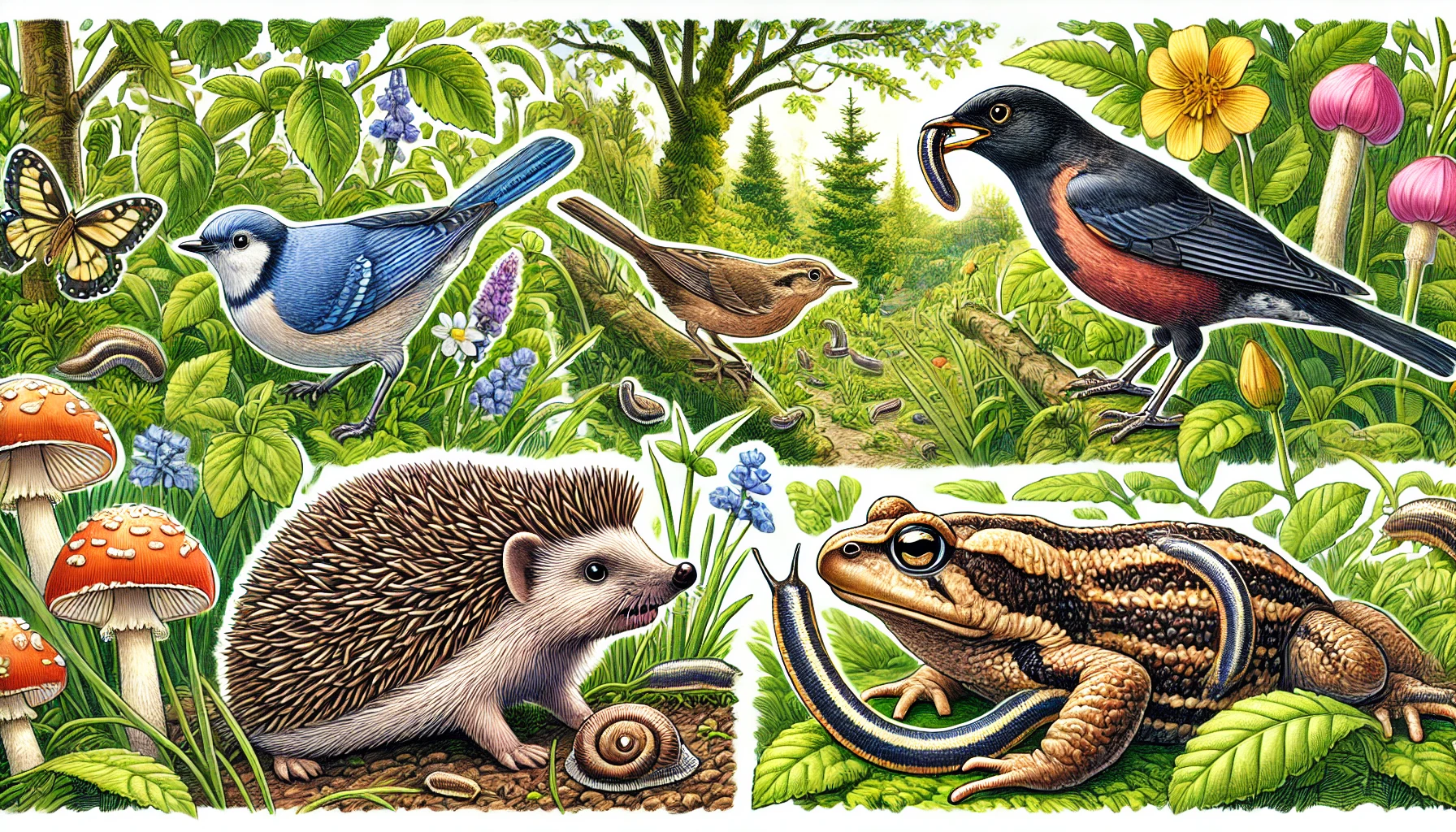
And above all, it is necessary to attract animals and insects that naturally feed on slugs into your garden.
Once these predators have settled, they will continuously regulate the populations of gastropods.
And this is the only way to definitively end the problem with these pests.
In this brief article, we will list the different animals that eat slugs, provide a general method to attract them to your garden, and conclude by discussing complementary methods to protect your plants from slugs while you wait to attract these animals to your garden.
If you've discovered my blog, you're probably bothered by slugs and snails.
You'd probably be very interested in the 7 Steps to get rid of slug by attracting the Alpha predator I have designed with the help of Science, and The slug-proof garden Design I have made (with the help of dozens of scientific studies too).
It changed everything for me. I can finally grow lettuces, cabbages, strawberries and cucurbits without pulling the hair out of my head.
Don't hesitate, you'll probably save a lot of time!
Who Eats Slugs?
Various mammals, insects, birds, amphibians, and even other gastropods consume slugs:
List and Description of Animals That Eat Slugs
Birds: The Most Effective Species
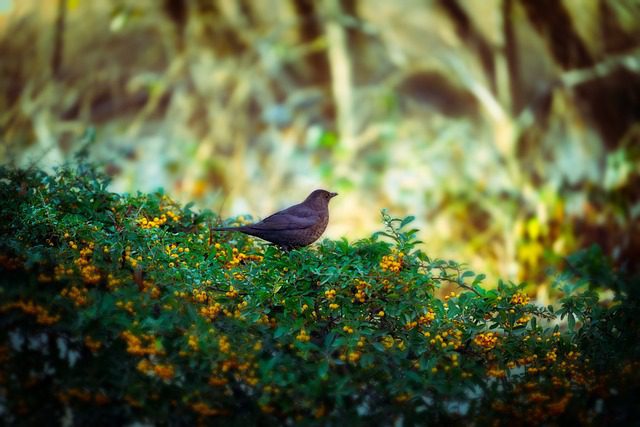
Blackbirds (Turdus merula)
Description: Medium-sized bird with black plumage for males and brown for females.
Role in Slug Control: Blackbirds are voracious predators of small slugs, particularly active early in the morning when they search for food on the ground.
Thrushes (Turdidae)
Description: Robust birds, often with speckled plumage.
Role in Slug Control: Thrushes, especially the song thrush, are known for their appetite for slugs and other invertebrates, helping to keep their population under control.
Tits (Paridae)
Description: Small, colorful birds with a wide variety of species such as the great tit and the blue tit.
Role in Slug Control: Tits consume small slugs, especially during the breeding season when they feed their chicks.
Mammals: Terrestrial Animals That Consume Slugs
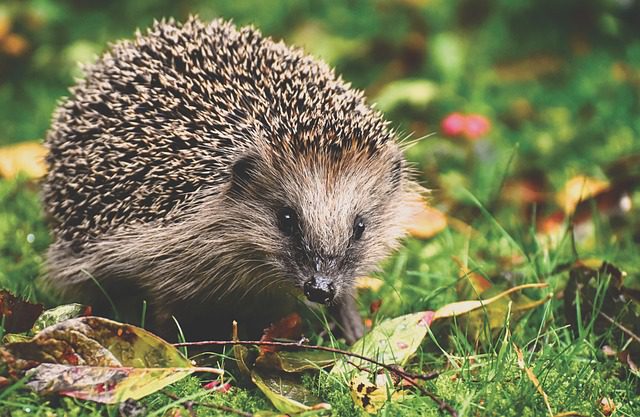
Hedgehogs (Erinaceus europaeus)
Description: Small nocturnal mammal with spines on its back.
Role in Slug Control: Hedgehogs feed on slugs, snails, and insects, making them valuable allies for gardeners seeking to protect their crops naturally. The hedgehog can consume large slugs.
Moles (Talpa europaea)
Description: Burrowing mammal with robust front paws and velvety fur.
Role in Slug Control: Although primarily insectivorous, moles also consume small slugs and their eggs, contributing to regulating their population.
Badgers (Meles meles)
Description: Large nocturnal mammal with a distinctive white stripe on its head.
Role in Slug Control: Badgers, although primarily omnivorous, also consume slugs, helping to reduce their numbers.
Shrews (Soricidae)
Description: Small insectivorous mammals with a pointed snout.
Role in Slug Control: Shrews feed on small slugs and other small invertebrates, contributing to their natural management.
Rats (Rattus)
Description: Medium-sized rodents with great adaptability.
Role in Slug Control: Some rats, especially in natural environments, consume slugs, although they are not specialized predators.
Amphibians: The Importance of Frogs and Toads
Frogs (Ranidae)
Description: Amphibians with long hind legs, adapted for jumping and swimming.
Role in Slug Control: Frogs, particularly young ones, feed on small slugs, helping to reduce their numbers in wet areas and gardens.
Toads (Bufonidae)
Description: Terrestrial amphibians with rough, warty skin.
Role in Slug Control: Toads are also consumers of slugs, capturing them during their nocturnal hunts and playing a role in managing slug populations in gardens.
Newts (Triturus)
Description: Small amphibians with smooth skin, often with vibrant colors during the breeding season.
Role in Slug Control: Newts consume small slugs and other aquatic invertebrates, contributing to their regulation.
Reptiles: Lizards and Snakes as Slug Consumers
Lizards (Lacertidae)
Description: Reptiles with scaly skin and elongated bodies.
Role in Slug Control: Lizards, particularly wall lizards, consume small slugs and other small invertebrates, helping to maintain a natural balance.
Snakes (Colubridae)
Description: Legless reptiles with long, flexible bodies.
Role in Slug Control: Some snakes, like grass snakes, occasionally feed on slugs, thus contributing to their regulation.
Slow Worms (Anguis fragilis)
Description: Legless reptile resembling a snake but actually a lizard.
Role in Slug Control: Slow worms primarily feed on slugs and other invertebrates, playing an important role in regulating their populations.
Insects and Arthropods: Carabids, Nematodes, and Other Invertebrate Predators
Carabids (Carabidae)
Description: Large beetles, often dark and metallic in color.
Role in Slug Control: Carabids, particularly ground beetles, actively hunt and consume slugs, contributing to crop protection.
Devil’s Coach Horse (Ocypus olens)
Description: Large black beetle with an elongated body.
Role in Slug Control: This nocturnal predator feeds on slugs and other small invertebrates, helping to maintain population balance.
Fireflies (Lampyris noctiluca)
Description: Bioluminescent insects, the larvae are predators.
Role in Slug Control: Firefly larvae actively consume slugs, making them valuable allies for gardeners.
Centipedes (Chilopoda)
Description: Segmented arthropods with many legs.
Role in Slug Control: Centipedes are nocturnal predators that feed on slugs and other small invertebrates.
Other Predators
Roman Snail (Helix pomatia)
Description: Large terrestrial snail known for its spiral shell.
Role in Slug Control: These snails consume slug eggs, thus reducing future populations.
Leopard Slug (Limax maximus)
Description: Large slug with characteristic dark spots.
Role in Slug Control: Unlike most slugs, the leopard slug is carnivorous and feeds on small slugs, helping to regulate their numbers.
List and Description of Animals That Feed on Slugs but Are Not Naturally Present in European Biotopes (Introduced Animals)
The animals listed above share the common characteristic of being animals that feed on slugs in the local natural environment (temperate Europe) and can be naturally attracted to the garden through appropriate measures.
The animals listed below also consume slugs but must be introduced into the garden by the gardener. They can disrupt the garden’s balance, particularly by eating the natural predators of slugs (insects, amphibians).
Chickens (Gallus gallus domesticus)
Description: Domestic bird commonly raised for its eggs and meat.
Role in Slug Control: Chickens are excellent for scratching the soil and consuming slugs. However, they can also consume reptiles, amphibians, and insects that naturally feed on slugs.
Indian Runner Ducks (Anas platyrhynchos domesticus)
Description: Breed of domestic duck known for its upright posture and ability to move quickly.
Role in Slug Control: Indian Runner Ducks are particularly effective at eating slugs. However, like chickens, they consume insects that naturally (and sometimes very effectively) feed on slugs.
Nematodes (Phasmarhabditis hermaphrodita)
Description: Microscopic parasitic worms specific to slugs.
Role in Slug Control: Used as biological agents, nematodes infect and kill slugs, offering an effective control method without negative impact on other species. They are often applied as a soil treatment and are very effective in reducing slug populations. However, there may be lingering doubts about their potential effects on other living organisms in the garden (which could potentially cause long-term cascading effects). They are also quite expensive and must be applied and reapplied continuously. This is not a sustainable method of slug management.
How to Attract Animals That Naturally Eat Slugs to Your Garden
Create a Favorable Habitat: Tips for Arranging Your Garden to Attract Birds and Mammals
Birds
- Position Nests and Feeders: Install nests for various bird species and provide feeders with suitable seeds. Birds will also appreciate shrubs and trees for perching and nesting.
- Provide Natural Shelters: Dense shrubs, trees, and hedges offer nesting sites and shelter for birds.
- Protect Refuge Areas: Avoid mowing the grass or cleaning certain parts of the garden to create refuge areas where birds can feel safe.
Mammals
- Install Shelters for Hedgehogs and Other Small Mammals: Position piles of wood, dead leaves, or specially designed shelters for hedgehogs.
- Set Up Composting Areas: Compost heaps attract many insects and invertebrates that hedgehogs feed on.
- Create Passages: Ensure that fences and other obstacles allow the passage of small mammals. Gaps in fences can help hedgehogs and other mammals enter and exit your garden (their hunting territory is very vast).
Use Attractive Plants: Plants That Attract Predatory Insects
Plants to Attract Beneficial Insects
- Clovers and phacelia have been identified as attractive to carabids and staphylinids.
Specific Plants for Amphibians and Reptiles
- Planted Wet Areas: Plant irises, sedges, and rushes around water points to provide hiding places and breeding sites for frogs, toads, and newts.
- Plants with Dense Foliage: Ferns and hostas provide shade and moisture, creating a favorable environment for slow worms and lizards.
Install Water Points: The Importance of Ponds and Water Points for Amphibians
Creation of Ponds and Basins
- Build a Pond: A natural pond or garden pool provides essential habitat for frogs, toads, newts, and other amphibians. Ensure there are gentle slopes to allow animals to enter and exit easily.
- Install Temporary Water Points: Shallow water trays or small fountains can also attract amphibians and birds.
- Add Aquatic Plants: Water lilies, elodea, and pondweed provide hiding places and breeding areas for amphibians.
- Ensure Clean, Non-Chlorinated Water: Avoid chemical products and chlorinated filters. Prefer clean and natural water to attract amphibians.
By following these tips, you will create a welcoming garden for a variety of natural predators that will help control slug populations in the long term.
Complementary Methods for Slug Control
While natural predators of slugs are establishing themselves in your garden, you can protect your plants from gastropods without harming these animals.
To do this, it is necessary to protect your plants without killing the slugs. Otherwise, the animals you are trying to attract to your garden will no longer find their food! And they will leave.
Therefore, the best solution is to use effective anti-slug barriers.
In this regard, forget about brambles, ashes, eggshells, and other garden myths: they don’t work, at least not in the long term. (If you don’t believe me, watch my video tests here).
The only effective anti-slug barriers are water (used in the form of trenches) and copper (used as a vertical barrier).
In this regard, I have designed a copper barrier that has changed the game for me.
Its results were so surprising that I commercialized it.
It is available here: the copper anti-slug net.
However, a lasting solution to your slug problem will absolutely involve setting up your garden to attract natural predators of gastropods. I insist.
I hope this article has pleased you and provided you with new tools to cultivate in freedom and autonomy, understanding what you are doing and why you are doing it. See you soon, Robin. (For those interested in this type of content, do not hesitate to join my newsletter – leaving your email for one of the bonuses offered on the blog. I often say that 80% of my work on the garden is hidden there, under the water, like an iceberg 😅)
Scientific References
- Douglas, M. R., Tooker, J. F. (2021). “Ecology and Management of Slugs (Mollusca: Agriolimacidae, Arionidae) in Land Cultivations, with Special Attention to the Mid-Atlantic Region.” Journal of Integrated Pest Management, 12(1). Journal of Integrated Pest Management. “All About Slugs.” John Innes Centre. Retrieved from John Innes Centre.
- Brooks, J. (2023). “Understanding Slugs: What They Are and How to Manage Them.” The Wild Explained. Retrieved from The Wild Explained.
Robin
A passionate experimental vegetable grower, I had huge slug problems during my first 2 years of vegetable gardening.
Nothing (eggshells, ashes, etc.) seemed to work…
And yet, if the Internet was to be believed, everything was supposed to work…
In short, faced with an obvious problem of misinformation, I decided to take action: I tested all the famous “slug barriers”, so as to have a clear mind, and know what to do.
I filmed my (13) tests(here, in French)
The results were crystal clear: nothing was able to effectively block the path of slugs and snails, except Water, usable with trenches at least 5 cm deep and 10 cm wide, or Copper, if used vertically, if its height is at least 7 cm
But a water-based barrier is difficult to implement, and copper is expensive…
It was by turning to scientific studies that I found the solution: adopting a slug predator in the garden, present everywhere in the world, which has a huge regulatory effect on them.
The studies show it. And I called this predator the Alpha predator of slugs.
Using dozens of scientific studies again, I constructed an action plan of the most effective arrangements to attract this Alpha predator to the garden sustainably, and to see it multiply by itself, year after year, season after season.
And to get rid, definitively (and intelligently), of slugs.
I have gathered these 7 steps in a digital book that I propose on this site, and at the end of the book, there is also a video training module on designing a slug-proof garden.
You can find this digital book (which contains all of this) by clicking here.
And what if you don’t get rid of your slugs by following the advice in this book? It’s simple, I will refund you in full (but it will work, if you follow the instructions properly).
So, don’t hesitate to discover the simple 7 Steps that can change your springs.

0 Comments